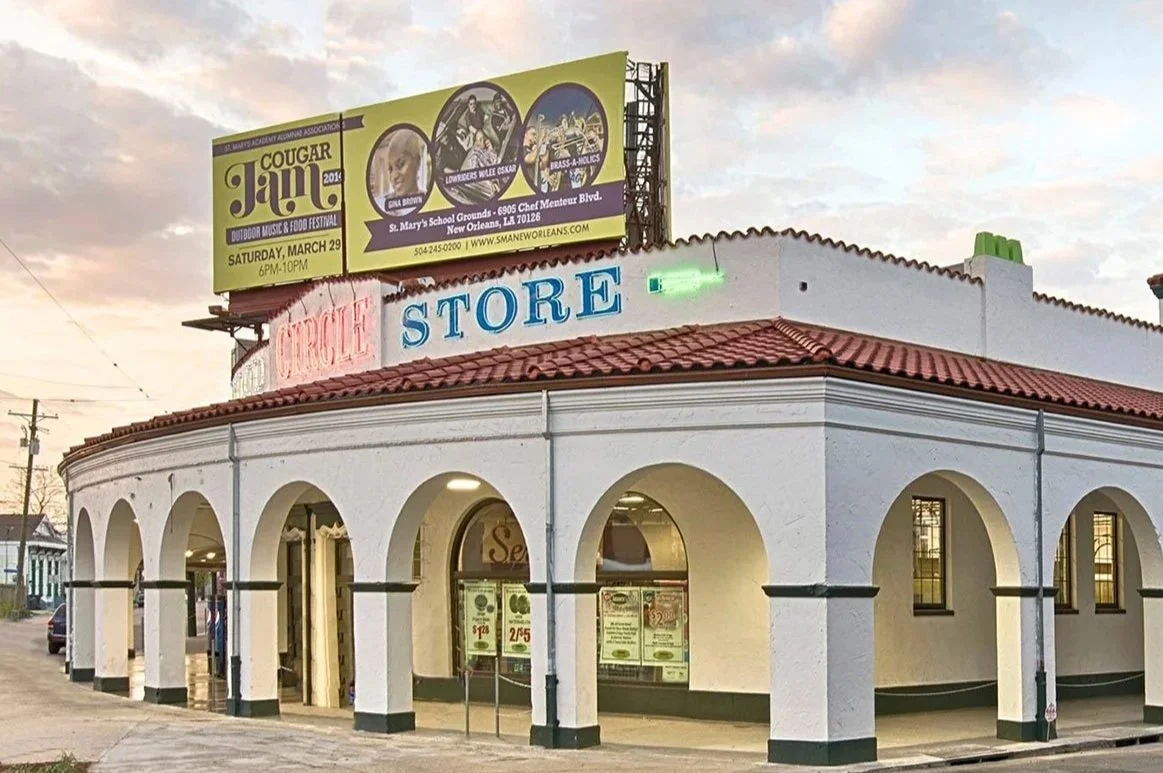
The Seventh Ward sits just inland from the French Quarter, stretching between Elysian Fields Avenue and St. Bernard Avenue, with North Claiborne marking its western edge and the Gentilly border to the east. At first glance, it’s a residential neighborhood of modest Creole cottages and shotgun homes, shaded by old oaks and bisected by gentle, walkable streets. But linger for even a moment and you’ll feel its distinct heartbeat—a calm, lived-in rhythm that invites slow exploration. It’s one of the few New Orleans neighborhoods that still feels like a village within a city, close to everything yet entirely its own world.
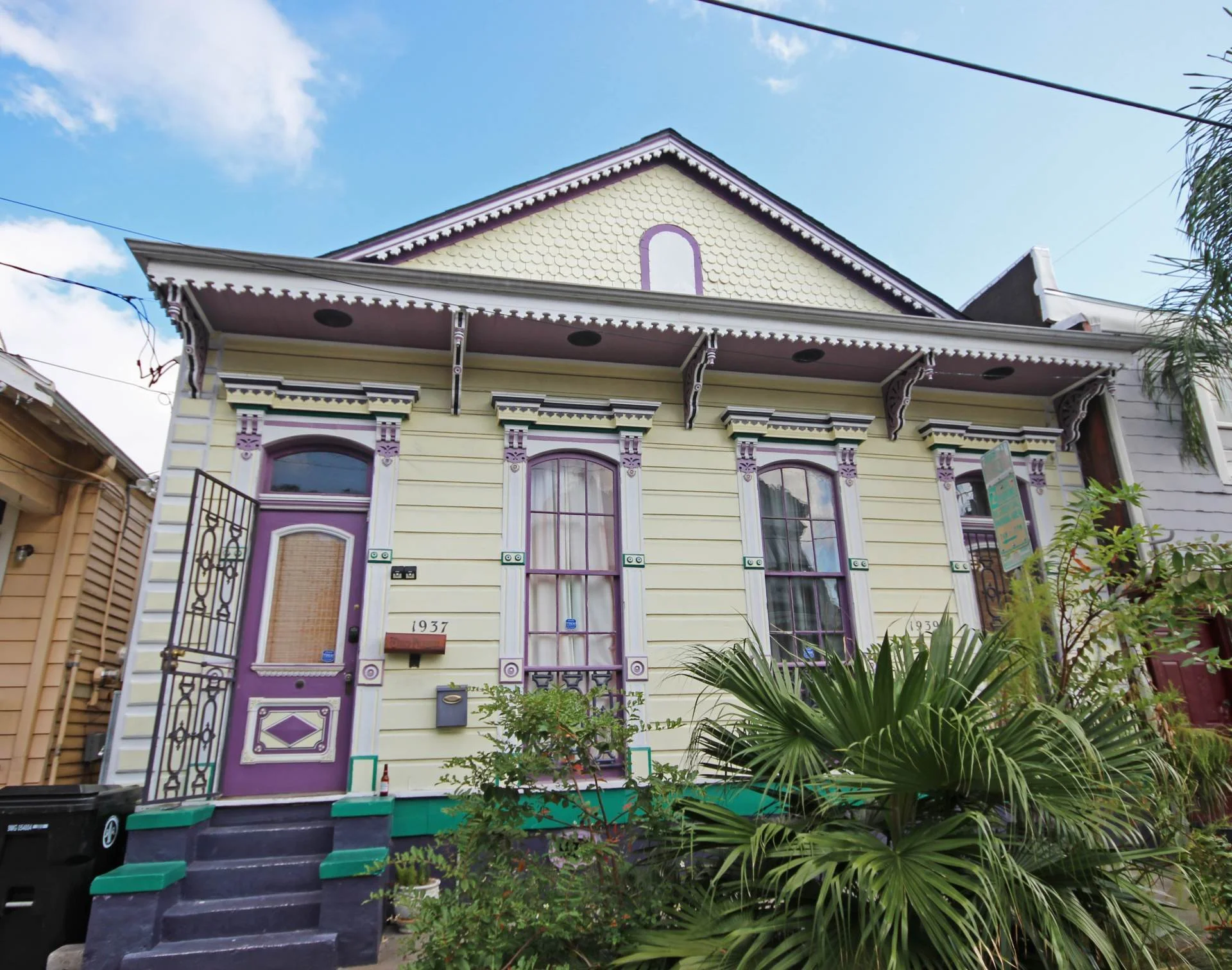
Historically, the Seventh Ward is inseparable from the story of Creole New Orleans. This area became home to a large and influential population of free people of color long before the Civil War, many of whom were artisans, educators, and musicians. They shaped not only the physical architecture of the neighborhood but also its cultural architecture—crafting a place rooted in literacy, craftsmanship, and creativity. Walking the streets today, the mix of Creole cottages, gingerbread ornamentation, and narrow passages still reflects this heritage.
The neighborhood is especially known for its long tradition of skilled builders and tradespeople. Creole carpenters based in the Seventh Ward were responsible for constructing some of New Orleans’ most iconic wooden homes, and their techniques—like the ornate brackets and friezes that adorn many houses—helped define the city’s architectural language. Even now, the area remains a living museum of vernacular design, ideal for travellers who appreciate history you can touch.
Cultural history here isn’t only architectural—it’s deeply musical. The Seventh Ward has given rise to some of New Orleans’ most influential musicians, including jazz innovator Sidney Bechet, whose clarinet and soprano saxophone playing remains foundational to the city’s sound. It’s also the childhood home of musician and educator Danny Barker, who helped mentor generations of young players and revived the brass band tradition. Exploring this neighborhood with these names in mind adds a layer of resonance to an already evocative landscape.
The 7th Ward is also a center of New Orleans’ Mardi Gras Indian culture. Tribes such as the Creole Wild West have roots here, and on certain days you might catch glimpses of beadwork or hear the distant pulse of drums rehearsing for the next procession. For visitors, the neighborhood offers rare opportunities to learn about this tradition respectfully—often through community cultural centers, local museums, or events that welcome the public.
Community institutions are a major part of the neighborhood’s fabric. The Corpus Christi–Epiphany Catholic Church stands as one of its spiritual anchors, and the nearby schools historically produced generations of Black and Creole intellectuals, artists, and civic leaders. This legacy of education and self-determination still shapes the neighborhood’s identity, making it a meaningful destination for visitors interested in the deeper currents of New Orleans life.
Today, the Seventh Ward is experiencing a gentle revitalization, with small cafés, artist studios, and independent businesses tucked along residential blocks. They’re understated—sometimes only marked by a hand-painted sign—but they reward curiosity. A stroll might lead you to a cozy bakery serving Creole-influenced pastries, or a community garden buzzing with weekend activity. The neighborhood favors explorers who like to wander without an agenda.
Ultimately, the Seventh Ward offers a kind of cultural intimacy that’s rare in more tourist-heavy parts of New Orleans. It’s a neighborhood where the city’s history feels close enough to touch, where families sit on porches in the evenings, and where every corner seems to tell a story. For travellers, it’s a chance to experience New Orleans not as a performance but as a living, breathing community—one that welcomes you in, if you move at its rhythm and let it reveal itself slowly.