The 6th Ward of New Orleans, which includes much of the historic Tremé neighborhood, is one of the most culturally significant stretches of land in the city—and arguably in the entire United States. As one of the oldest African American neighborhoods in the country, Tremé developed into a powerful center of Black political, artistic, and social life. Its streets hold centuries of stories: of free people of color fighting for rights, of musicians reinventing American sound, and of families preserving traditions that the world now recognizes as foundational to New Orleans identity.
Tremé’s origins trace back to the early 19th century, when free people of color purchased land from Claude Tremé and built a community marked by relative autonomy and cultural vibrancy. This unique concentration of skilled artisans, intellectuals, activists, and entrepreneurs made Tremé a hub of early Black civic organization. Long before the Civil War, residents formed benevolent societies, published newspapers, opened businesses, and established schools—creating one of the most robust Black middle-class communities in the South.
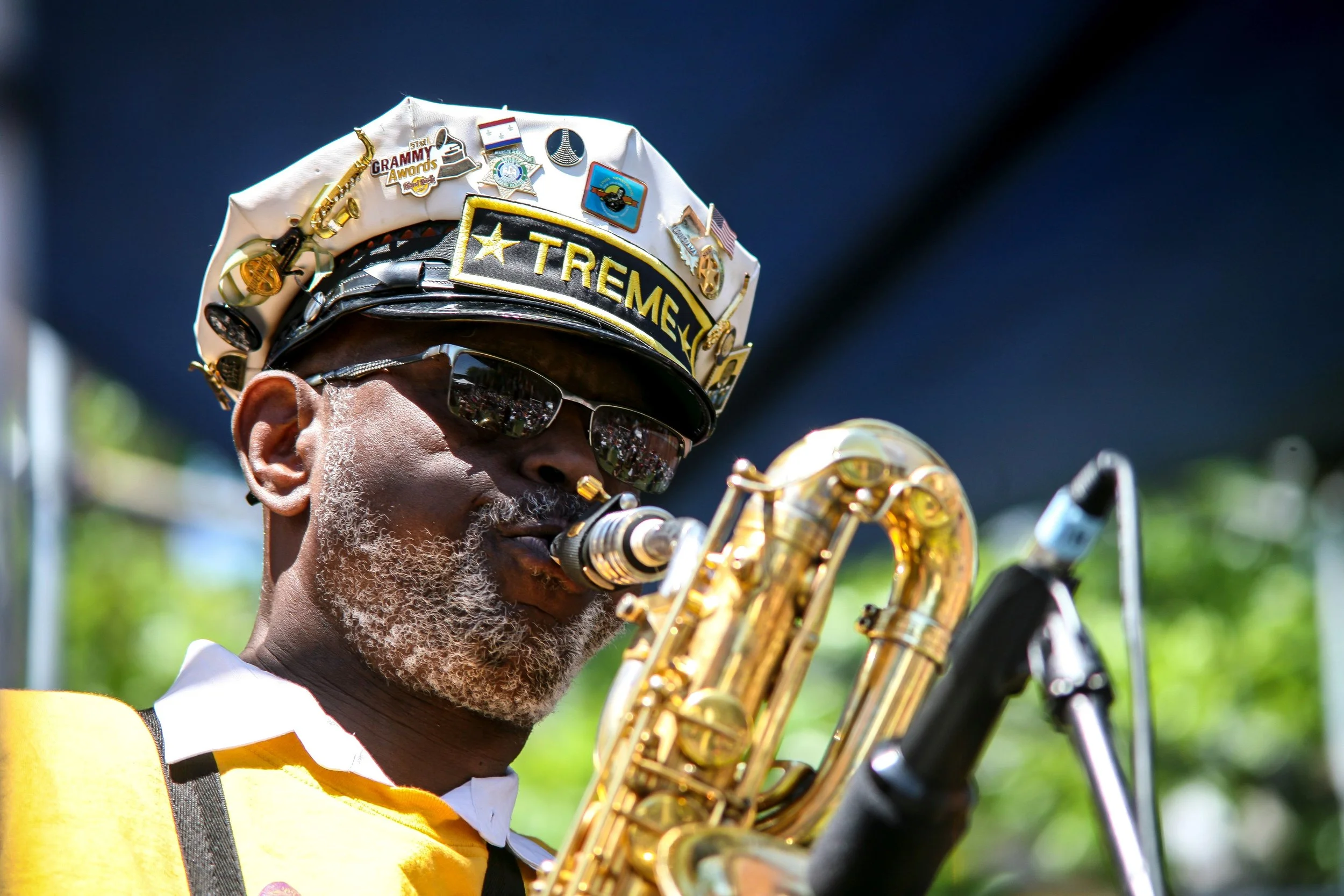
The neighborhood is inseparable from the birth and evolution of jazz, a genre that New Orleans gifted to the world. Congo Square, located at the edge of Tremé in what is now Louis Armstrong Park, served as a gathering place where enslaved Africans were permitted to drum, dance, and preserve West and Central African cultural practices. These rhythms, layered with Caribbean and European influences, eventually blossomed into jazz. Many of the early jazz greats—like Sidney Bechet, Alphonse Picou, and later the Andrews family—came directly out of Tremé’s musical traditions, parades, and social aid clubs.
Tremé is also one of New Orleans’ strongest centers of Black Mardi Gras culture, home to generations of Mardi Gras Indians (Black Masking Indians), Baby Dolls, Skull & Bone Gangs, and Social Aid & Pleasure Clubs that form the backbone of second line traditions. These community-led expressions aren’t merely performances—they are acts of cultural resilience, storytelling, and neighborhood unity. The 6th Ward’s streets come alive with these traditions, affirming identity in the face of historical adversity and uplifting the creative spirit that defines New Orleans.
Throughout the 20th century, Tremé played a pivotal role in civil rights activism and urban resistance. Residents fought segregation, challenged discriminatory housing laws, and organized around issues of policing and preservation. The construction of the Claiborne Expressway, which cut through the heart of a thriving Black business district, was a devastating blow—but Tremé’s cultural institutions, families, and artists resisted erasure. Today, murals, community programs, and restored landmarks speak to the neighborhood’s ongoing fight to protect its heritage while navigating the pressures of gentrification.
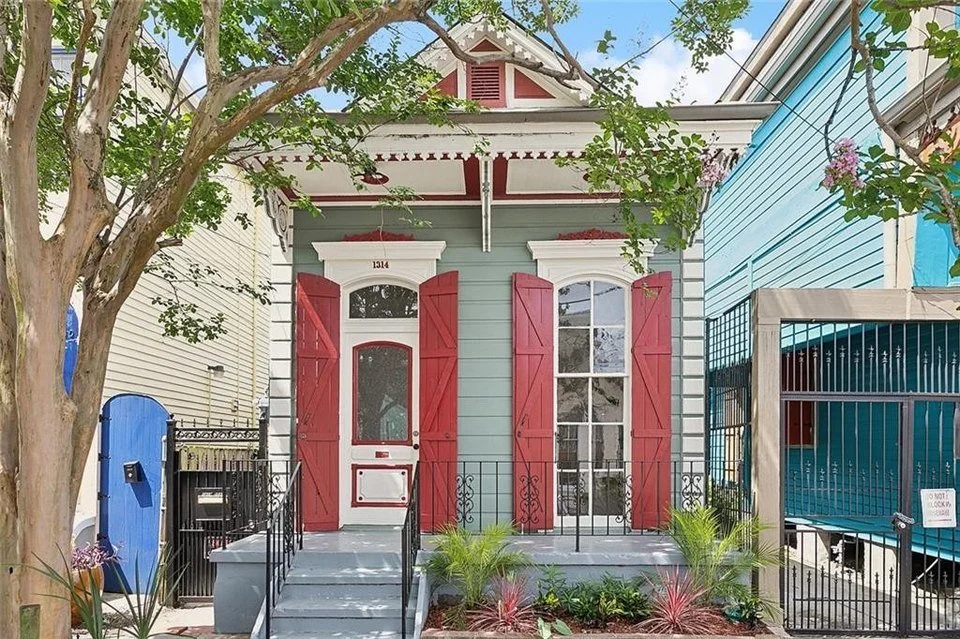
In the present day, the 6th Ward remains a living, breathing testament to New Orleans’ soul. Its shotgun houses, corner bars, brass bands, and community traditions reflect a continuity between past and present. Tremé is not a frozen museum—it is a neighborhood whose culture is actively created and renewed by the people who call it home. Its influence radiates far beyond its boundaries, shaping the city’s music, cuisine, festivals, and sense of identity. To understand New Orleans is to understand Tremé, a place where history, memory, and creativity flow as vibrantly as the brass bands that parade through its streets.