Our Top Picks
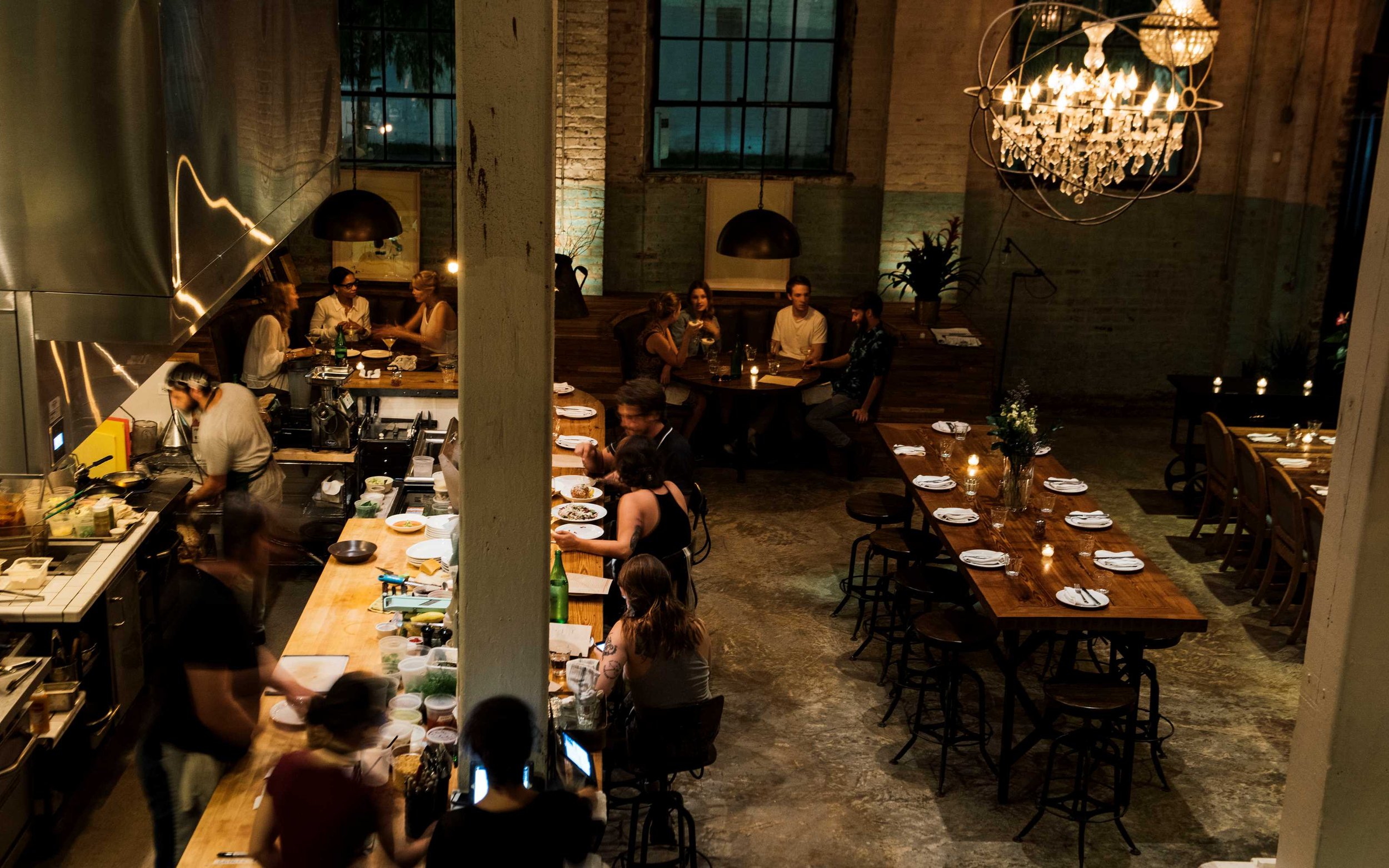
Paladar 511
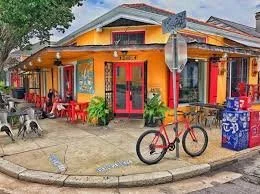
Who Dat Coffee Cafe
The Faubourg Marigny, located just downriver from the French Quarter, is one of New Orleans’ earliest suburbs and one of its most architecturally distinctive neighborhoods. Established in the early 1800s on the plantation of Bernard de Marigny de Mandeville—a flamboyant Creole aristocrat known for his love of gambling—the area was subdivided into residential lots and quickly became home to French Creoles, free people of color, immigrants, artisans, and musicians. Its gridded street plan, intersecting diagonals, and brightly painted wooden houses help define Marigny’s instantly recognizable character.
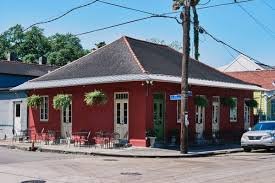
Architecturally, Marigny showcases some of the city’s best-preserved examples of Creole cottages, shotgun houses, and corner stores, many dating back to the antebellum era. The neighborhood’s vibrant palette, deep front porches, and close-set homes foster a sense of intimacy and community. These historic structures, combined with the lush plantings and narrow streets, create a walkable environment that blends old-world charm with distinctly New Orleans vernacular design. The Marigny’s preservation owes much to early recognition of its unique charm and the dedication of residents who protected it from large-scale redevelopment.
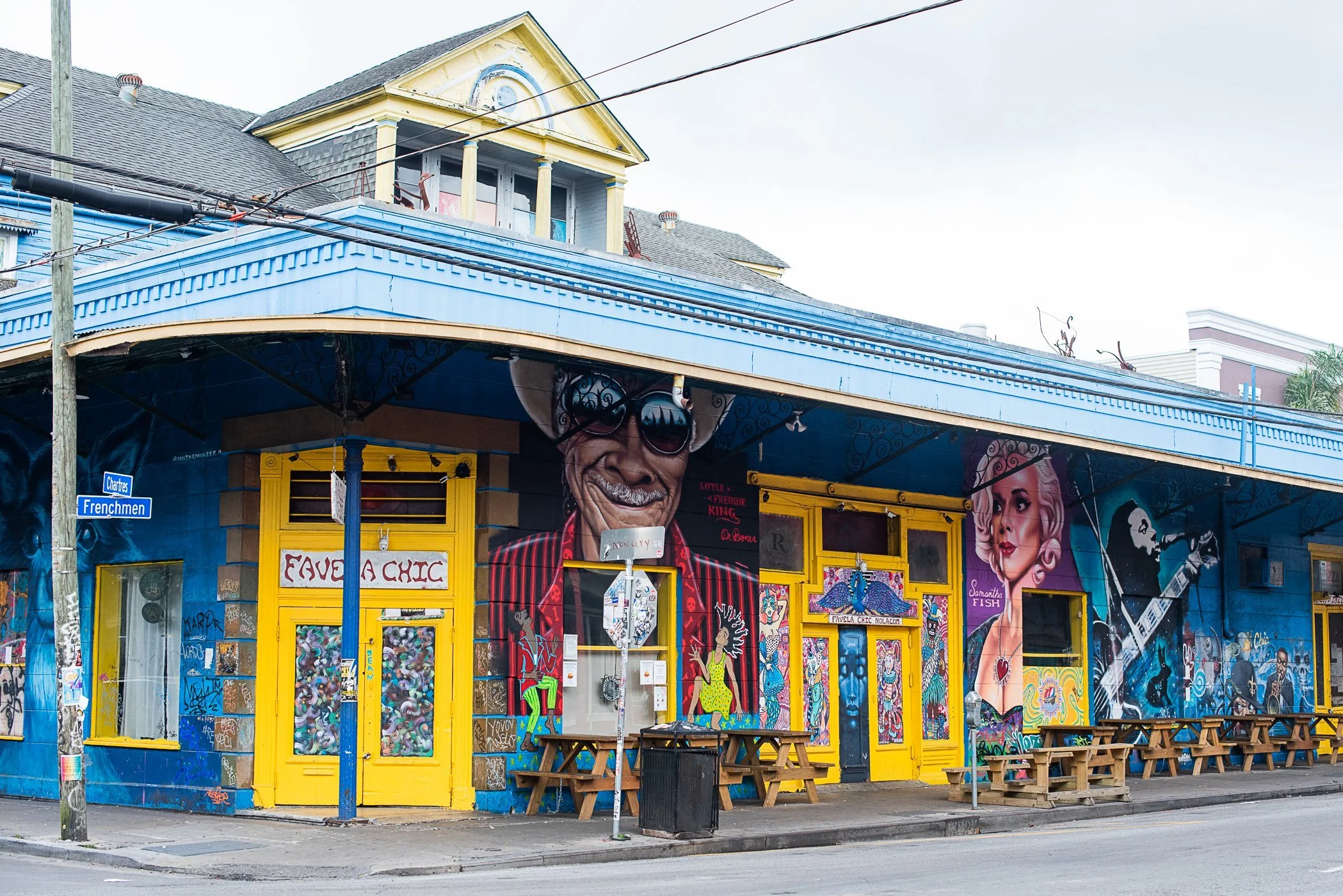
Culturally, the Marigny played a vital role in the evolution of New Orleans’ music scene, particularly jazz and rhythm & blues. The neighborhood sits adjacent to Tremé and the French Quarter, forming a corridor through which musicians, dancers, and performers traveled and collaborated. In the 20th century, Frenchmen Street—now one of the city’s premier live-music destinations—emerged as a haven for clubs, bars, and performance venues where both local legends and rising artists could experiment with sound. Today, it remains one of the most authentic places to hear live music in New Orleans, often compared to what Bourbon Street was decades ago.
Over the years, the Marigny has also become known as a center for bohemian, LGBTQ+, and artistic communities, especially beginning in the mid-20th century. Affordable housing and a tolerant atmosphere attracted artists, writers, musicians, and creatives who helped shape the neighborhood’s funky, expressive identity. Galleries, boutique shops, community theaters, and cafés flourished, contributing to a cultural landscape defined by openness and experimentation. This creative spirit continues to influence the neighborhood’s social life, festivals, and small businesses.
Today, the Marigny remains one of New Orleans’ most dynamic and culturally rich neighborhoods, where history and modern creativity coexist seamlessly. Its streets reflect a blend of Creole heritage, artistic innovation, and neighborhood pride. Whether through its iconic architecture, its vibrant music scene, or its role as a gathering place for diverse communities, the Marigny continues to contribute profoundly to the cultural fabric of New Orleans. It stands as a testament to the city’s enduring ability to reinvent itself while honoring its past.
The marigny - music, art, food, culture