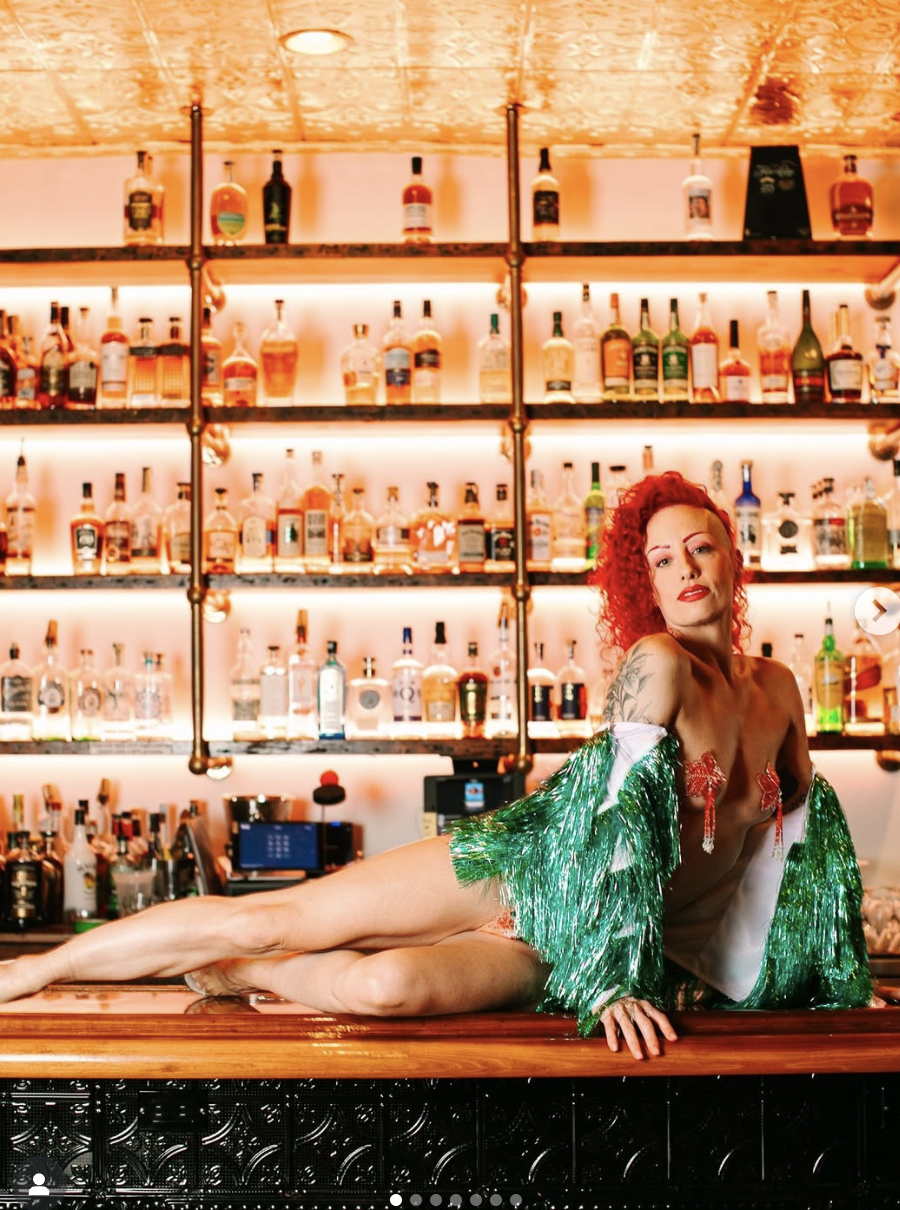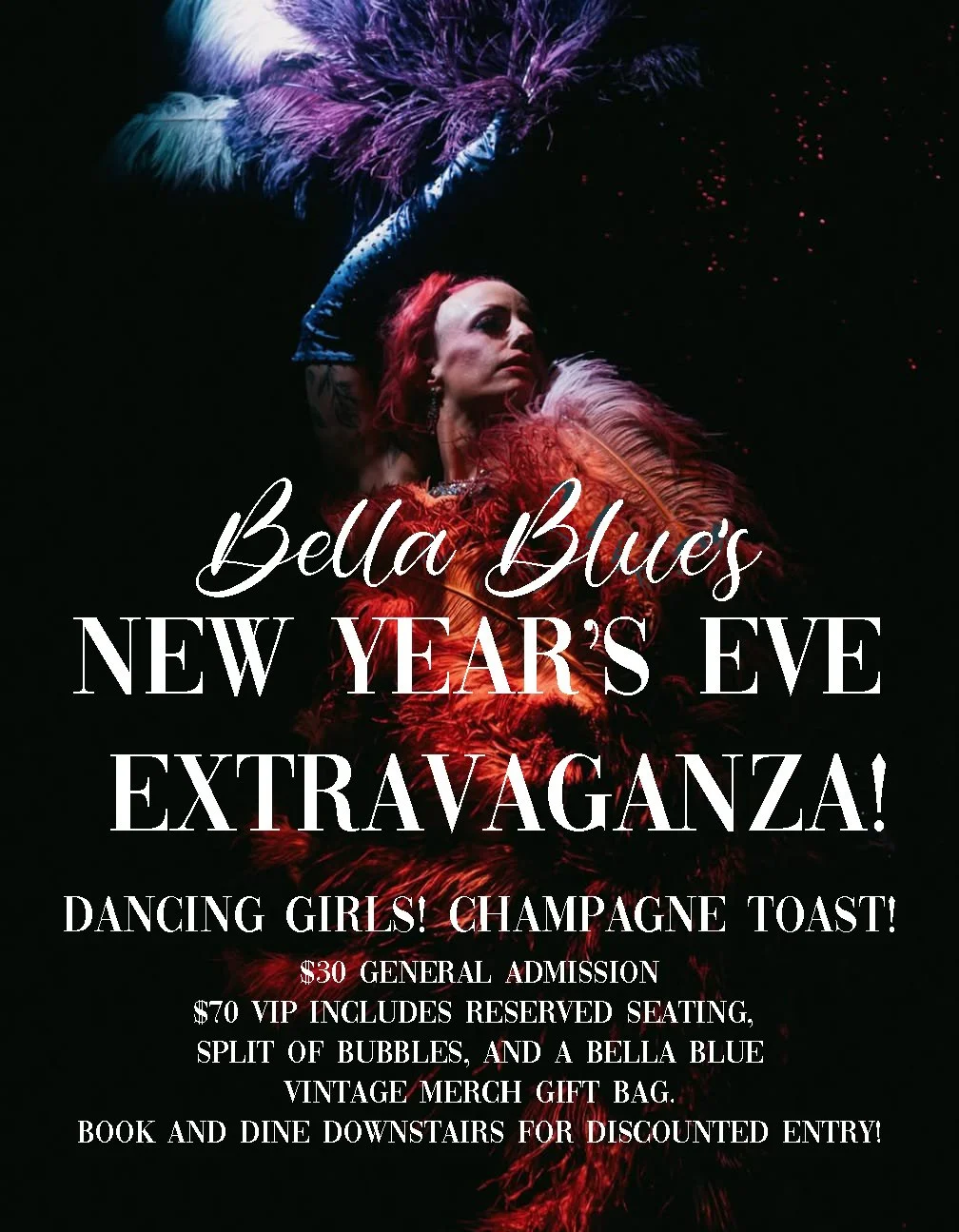
Burlesque also played a significant role in shaping American attitudes toward sexuality, autonomy, and freedom of expression. Performers used costume, choreography, and character to reclaim ownership of the gaze, presenting sensuality not as something hidden but as an art form worthy of applause. This empowerment resonates across eras: the boldness of burlesque artists helped pave the way for later movements in feminism, queer performance, and body-positivity. It challenged the idea that sexuality must be controlled or silenced, instead presenting it as playful, theatrical, and profoundly human.
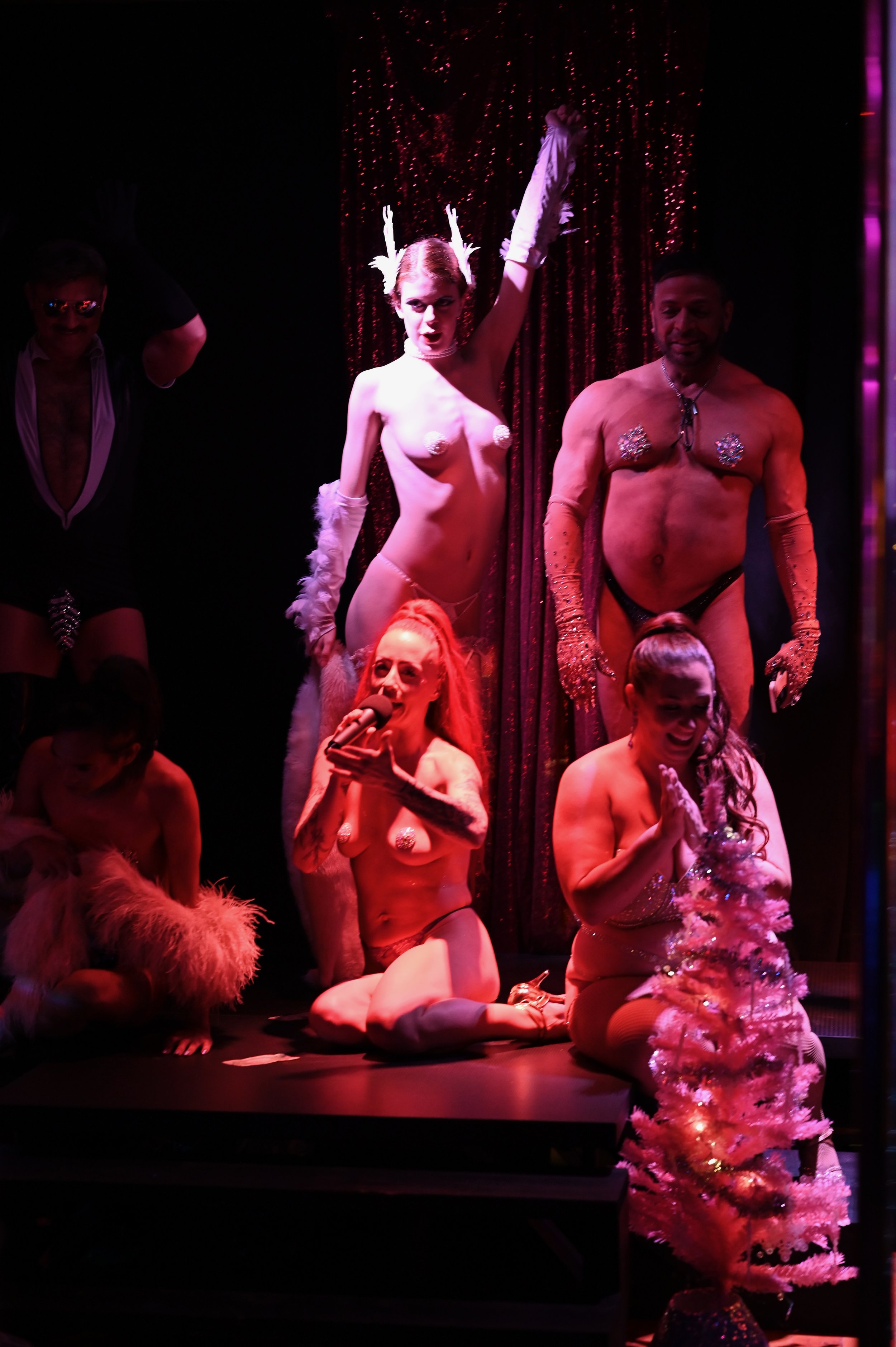
In the 21st century, New Orleans has become one of the leading centers of neo-burlesque, a movement that honors the past while reinventing the form for modern audiences. Performers celebrate body diversity, gender fluidity, and artistic experimentation, making burlesque a platform for empowerment and self-expression. This contemporary renaissance continues to cement New Orleans as a city where burlesque is not only entertainment but also an important cultural force—one that echoes the city’s values of resilience, creativity, sensuality, and joy. Burlesque remains a living, breathing art form in New Orleans, carrying forward a legacy that is both historical and vibrantly present.
What is Burlesque?
Burlesque, in its earliest form, emerged in the 19th century as a theatrical style that blended parody, satire, comedy, music, and dance. Unlike the more formal European stage traditions, American burlesque developed with a distinctly irreverent spirit, poking fun at social norms, lampooning authority, and celebrating performers who brought charisma and humor to the stage. What began as a form of social satire—mocking the pretensions of “high culture”—evolved into a uniquely American art form that valued personality, spectacle, and seduction in equal measure.
By the late 1800s and early 1900s, burlesque had become one of the most important entertainment industries in the United States. Touring circuits like the Minsky and Columbia Wheels brought burlesque across the country, democratizing live performance and offering accessible entertainment to working-class audiences. Burlesque elevated powerful female performers at a time when women were often excluded from public artistic spaces. Their star power helped redefine femininity, sexuality, and stage presence in ways that still influence performance today. Through comedy, dance, and striptease, burlesque pushed boundaries around gender roles and public expression.
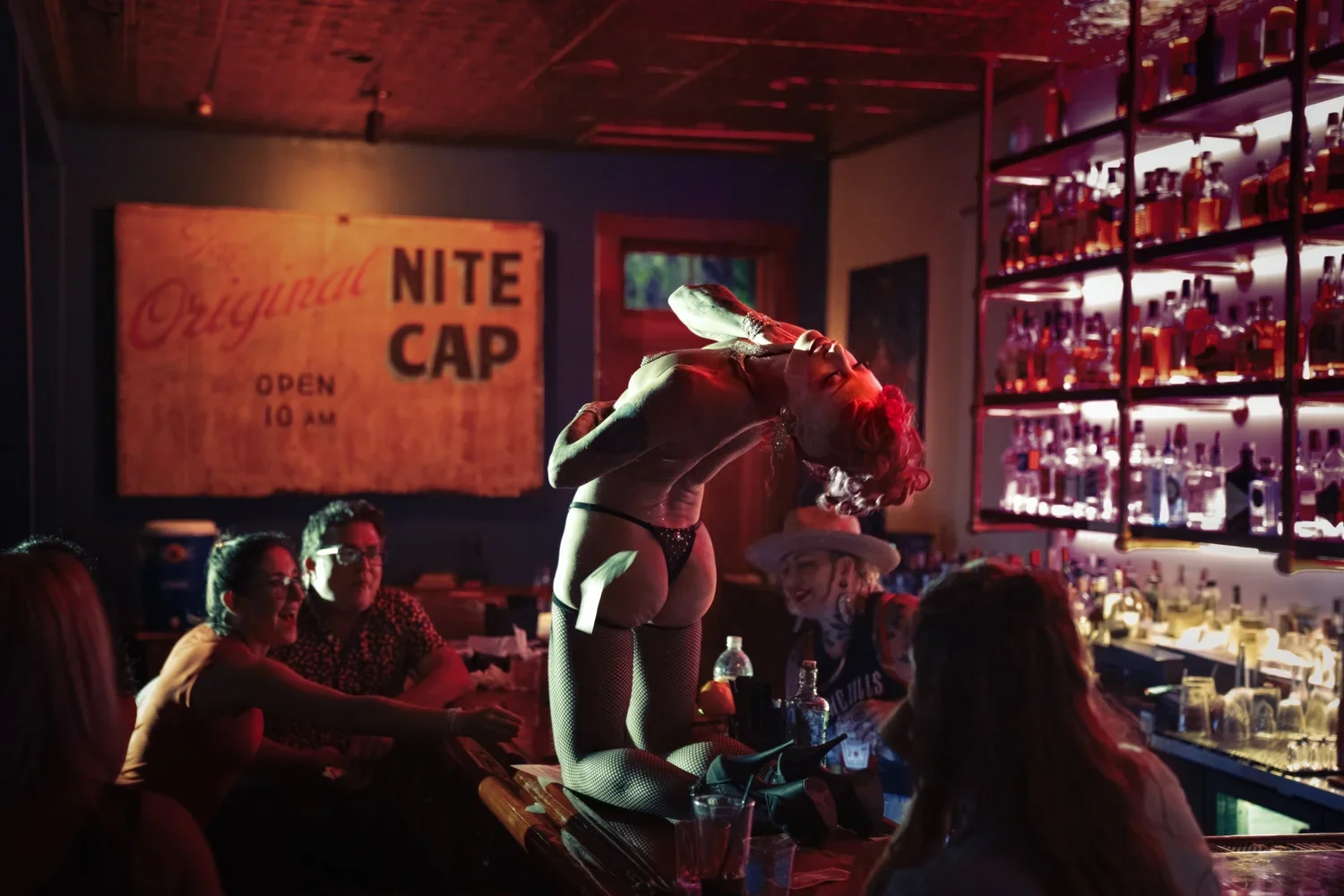
New Orleans has always been deeply intertwined with burlesque, serving as one of the country’s most vibrant—and historically significant—burlesque cities. From the Storyville red-light district in the early 20th century to the Bourbon Street nightclub era of the mid-century, the city fostered a nightlife culture where music, dance, satire, and sensuality intersected. Jazz musicians and burlesque dancers performed side-by-side, influencing one another and contributing to the city’s reputation as a place where artistry and seduction coexist in harmony. Legendary clubs like the Sho-Bar became iconic stages for dancers whose names now live in the lore of New Orleans entertainment history.
Burlesque in New Orleans has also been shaped by the city’s unique blend of cultural traditions: carnival pageantry, costuming, street parades, Creole aesthetics, and a deep love for performance. The city’s embrace of theatricality makes it an ideal home for modern burlesque revivalists who draw inspiration from vintage glamour, Mardi Gras excess, and contemporary artistry. Today, New Orleans hosts festivals, revues, and world-renowned performers who keep the tradition alive—often infusing it with humor, political commentary, queer identity, and storytelling that reflect the city’s ever-evolving culture.